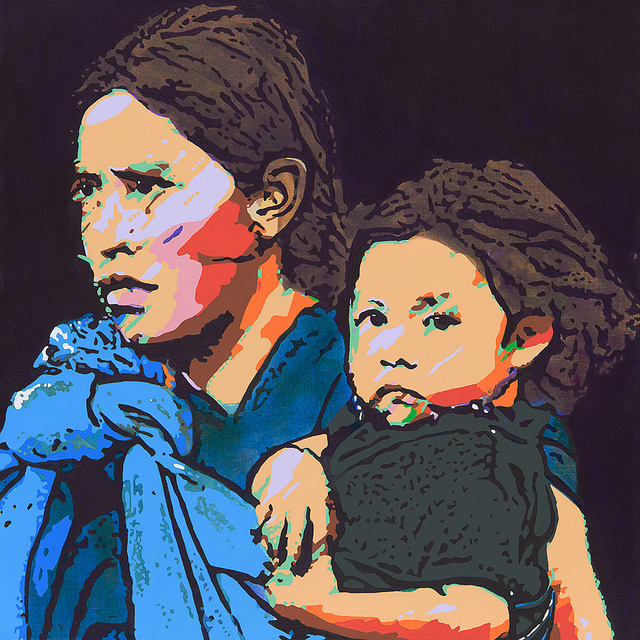
In addressing the reality of killing in this century, history and context become profoundly important.

CC0 Public Domain image.
“When we humans see instances of violence, we are often quick to respond, sometimes with efforts to assist the victims, often with efforts to punish the perpetrators. It is important that we are able to feel the pain of each individual case. It is equally important to find out why there are so many cases. For this to take place it is important to examine what common underlying levers are causing the human family to engage in such protracted and recurrent violence.”
— Marc Pilisuk and Jennifer Achord Rountree, The Hidden Structure of Violence: Who Benefits from Global Violence and War
Peace research, education, and activism have been animated by concern about violence. For centuries, scholars, theologians, philosophers, and activists have studied the meaning and causes of violence in human affairs, primarily motivated by a desire to reduce or eliminate it.
Some have pointed out that, for the most part, human beings have engaged in cooperative forms of behavior. The vast majority of human interactions are designed to sustain life, maintain communities, and support individual development. But, it is true that the dark side of history manifests massive slaughter, starvation, enslavement, and destruction of natural environments.
Continue reading