Posted in RagBlog | Leave a comment

Lamar W. Hankins : Ted Cruz’s Opposition to Liberty

Texas Sen. Ted Cruz. Photo by Chip Somodevilla / Getty Images.

States’ rights trump the Constitution:
Ted Cruz’s opposition to liberty

Cruz’s homophobia is so pronounced that he has criticized other politicians for being too accepting of gays.

By Lamar W. Hankins | The Rag Blog | June 27, 2013

[The Supreme Court issued rulings on two landmark marriage equality cases on Wednesday, June 26, striking down a federal law that denies federal benefits to same-sex couples married in states that recognize gay marriage and allowing a lower court ruling that struck down California’s same-sex marriage ban to stand.]

It was gratifying to read of Sen. Lisa Murkowski, R-Alaska, declaring that she has changed her mind about her opposition to gay marriage. Her change of heart is based on the right to privacy, support for encouraging committed families, and recognition that denying first-class citizenship to people because of their choice of life partners also denies such people the liberty promised by the constitution.

Murkowski did not explain her reasons exactly as I have explained them above, but my comments fairly interpret what she said. She does not believe that religions or religious beliefs should control our civil rights. But she does not suggest that any church or religious group be required to recognize same-sex marriages:

As a Catholic, I see marriage as a valued sacrament that exists exclusively between a man and a woman. Other faiths and belief systems feel differently about this issue — and they have every right to. Churches must be allowed to define marriage and conduct ceremonies according to their rules, but the government should not tell people who they have a right to marry through a civil ceremony.

Murkowski was moved by the experience of a same-sex couple in Alaska who adopted a family of four children so that they could stay together. Murkowski recognized that the two women are denied rights that all heterosexual married couples enjoy and found such a “second-class existence” intolerable when viewed from the perspective of the Republican and Christian values she espouses.

This view seems imminently reasonable, so why have only two other Republican United States senators agreed with her — Sen. Rob Portman (Ohio) and Sen. Mark Kirk (Illinois), who announced earlier this year that they too support same-sex marriage in the civil context? That leaves 43 Republicans in the U.S. Senate who oppose the freedom to marry the adult of one’s choice. (According to an ABC News report, nearly 50 Democrats in the senate support or do not oppose same-sex marriage.)

There is no fiercer Republican opponent of same-sex marriage than Texas’s Sen. Ted Cruz, who many believe is the future of the Republican Party. Cruz claims to be what I would call the “liberty senator,” except that the only liberty he consistently supports is liberty that his Tea Party constituents embrace. Cruz tries to finesse his position on same sex marriage by arguing that the matter is, under the Constitution, left to the states to decide:

The Constitution leaves it to the states to decide upon marriage and I hope the Supreme Court respects centuries of tradition and doesn’t step into the process of setting aside state laws that make the definition of marriage.

But Cruz is disguising his abhorrence of gays with his paean to states’ rights. In his view, the personal freedom to decide whom to marry is not a constitutional guarantee for all, but a privilege to be doled out by the states to those fortunate enough to live in one of the 11 states that permit same sex marriage.

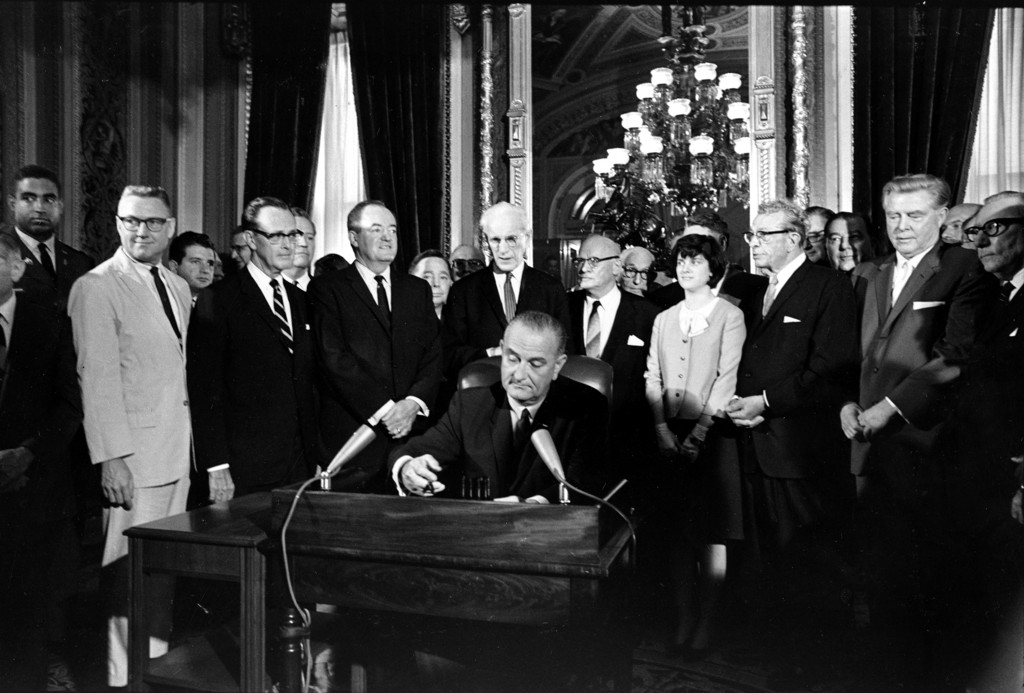
Cruz seems not to remember that the Supreme Court’s decision in Loving v. Virginia, which overturned that state’s law against interracial marriage, was based on the U.S. Constitution. In its ruling, the court found that Virginia’s anti-miscegenation statute violated both the Due Process Clause and the Equal Protection Clause of the Fourteenth Amendment:

No State shall make or enforce any law which shall abridge the privileges or immunities of citizens of the United States; nor shall any State deprive any person of life, liberty, or property, without due process of law; nor deny to any person within its jurisdiction the equal protection of the laws.

If Cruz’s limited liberty ideas had been in effect in 1965, the Supreme Court might not have allowed women to have access to birth control, which had been denied by the state of Connecticut. The court ruled that the right to privacy and due process entitled women to use birth control if they choose to do so. States cannot deny access to birth control under our Constitution.

For Cruz, states’ rights seem to trump the Constitution, at least whenever his political and religious views are affected. Fortunately for the rest of us, the Supreme Court has usually recognized that the rights and liberties guaranteed by the Constitution protect us all from state legislators and voters who would deny to some those rights and liberties we should all treasure, and from which we should all benefit.

Cruz’s homophobia is so pronounced that he has criticized other politicians for being too accepting of gays. Former Dallas mayor Republican Tom Leppert twice marched in Dallas’ gay pride parade, actions that Cruz finds offensive: “When a mayor of a city chooses twice to march in a parade celebrating gay pride that’s a statement and it’s not a statement I agree with.”

At the federal level, Cruz has defended marriage between one man and one woman as the fundamental building block of society. But the difference between same-sex marriage and heterosexual marriage is not obvious. In both cases, the couples can nurture children, work, engage in religious preferences together or separately, own property together, and live together in every other way.

But because same-sex marriage partners are denied the automatic extension of the privileges of marriage, such as property rights, medical decision-making, inheritance, and the right to make decisions on the death of the other partner, same-sex partners are far from equal to their heterosexual counterparts.

A couple married in Vermont who move to Texas, for example, will not enjoy the “full faith and credit” of Vermont’s law permitting same-sex marriage if that couple seeks to divorce — that is, the couple cannot divorce in Texas, their then legal residence. This is a situation Cruz is proud to have helped create.

His campaign website crows,

When a Beaumont state court granted a divorce to two homosexual men who had gotten a civil union in Vermont, Cruz, under the leadership of Attorney General Greg Abbott, intervened in defense of the marriage laws of the State of Texas, which successfully led to the court judgment being vacated.

It is counter-productive to a civil society to allow such chaos to prevail. The couple will have to re-establish residence in Vermont in order to have a court supervise the dissolution of their marriage and division of property. If children were involved, the consequences would be even more troubling — the children would be held hostage to the religious beliefs of Ted Cruz, as well as his narrow and limited definition of liberty.

Cruz ignores the Full Faith and Credit clause (Article IV, Section 1) of the U.S. Constitution. Understood in plain English, this clause means that the various states must recognize the legislative acts, public records, and judicial decisions of the other states in our union. With the Full Faith and Credit Clause, the Constitution drafters wanted to do two things: unify this country and preserve the autonomy of the states.

If the Supreme Court applied this provision to same-sex marriages created in one state when the parties have moved to another state, it would not require any state to allow same-sex marriage, but it would require every state to behave toward all married couples residing in their state in a legally equal fashion. If a quickie Las Vegas opposite-sex marriage can be enforced in Texas, the sanctity of marriage is not harmed by enforcing in Texas a same-sex marriage entered in Vermont.

Such an outcome may be a part of the “gay rights agenda” Ted Cruz loves to oppose. I don’t know because I don’t know what the “gay rights agenda” is. If by gay rights, one means that people who are gay should be treated without discrimination under our laws, then I favor such an “agenda.”

This is not a grant of special rights to gay people, but merely an effort to treat gays with the same respect our laws provide to all who suffer discrimination because of their status. Opposing discrimination against gays for being gay fulfills the promise of liberty, something Cruz claims to champion.

But as we have learned over the past two years or so, Cruz doesn’t like liberty as much as he likes talking about liberty. Cruz’s liberty reminds me of Anatole France’s idea of equality under the law, which “forbids rich and poor alike to sleep under bridges, beg in the streets and steal loaves of bread.” Cruz is all for liberty that allows gays as well as straights to marry someone of the opposite sex. He thinks that makes us all equal.

[Lamar W. Hankins, a former San Marcos, Texas, city attorney, is also a columnist for the San Marcos Mercury. This article © Freethought San Marcos, Lamar W. Hankins. Read more articles by Lamar W. Hankins on The Rag Blog.]
The Rag Blog

Posted in Rag Bloggers | Tagged , , , , , , , | Leave a comment

Type your summary here

Type rest of the post here

Source /

The Rag Blog

Posted in RagBlog | Leave a comment

Type your summary here

Type rest of the post here

Source The Rag Blog

Posted in RagBlog | Leave a comment

RAG RADIO / Thorne Dreyer : Peruvian Scholar/Activist Cristina Herencia, UN Observer on Indigenous Issues

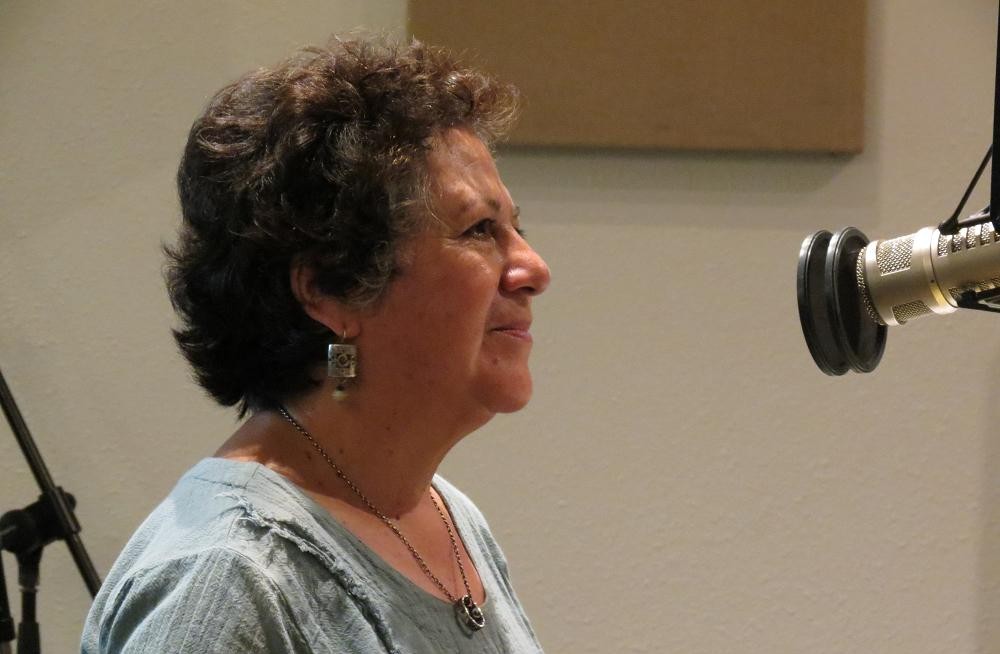
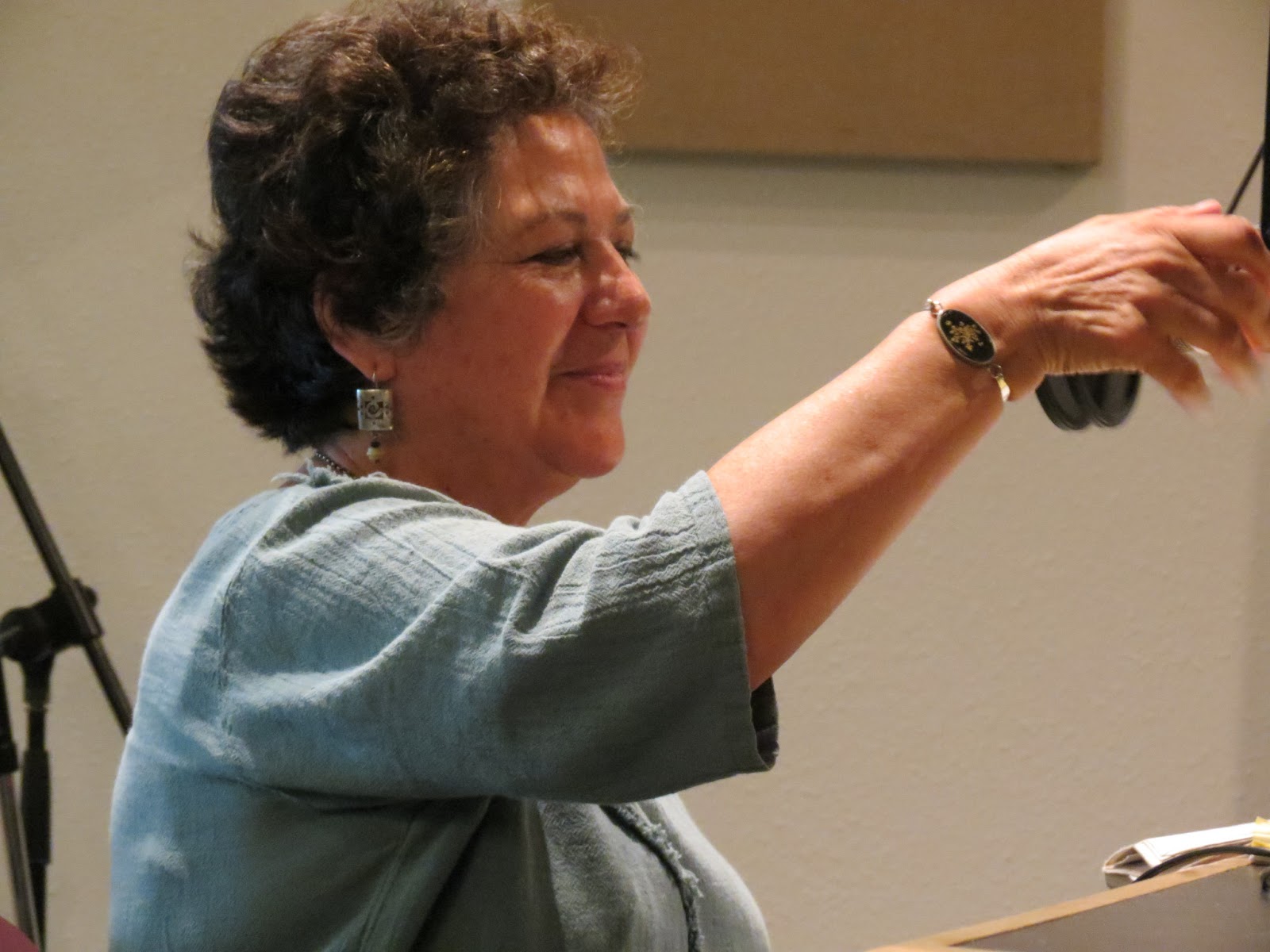
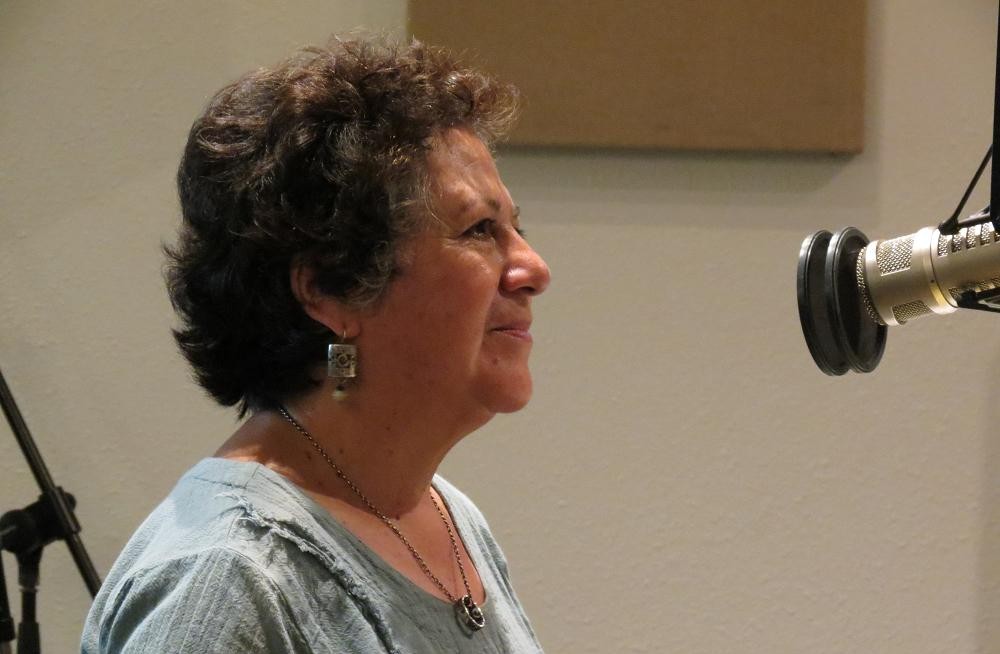
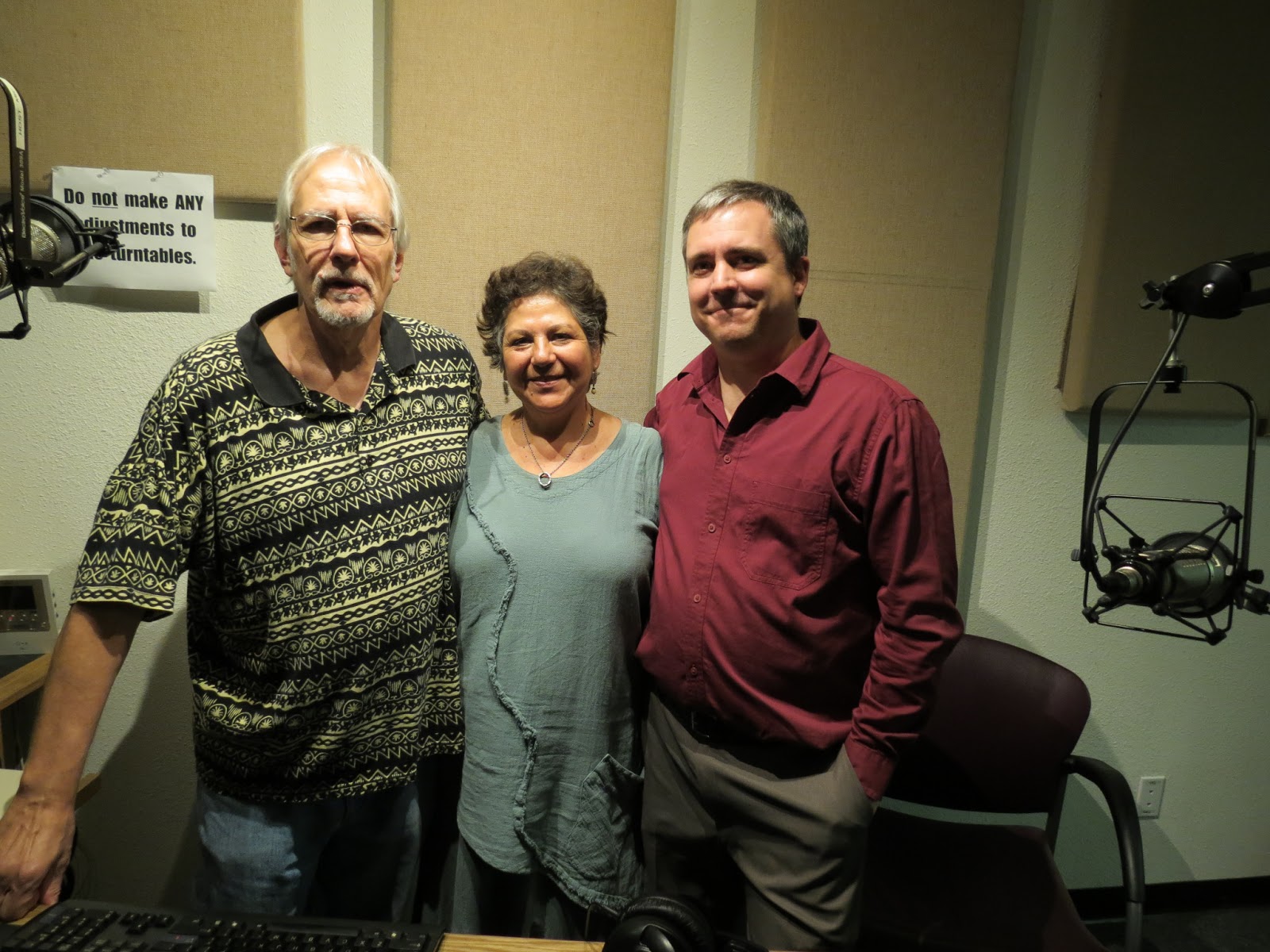
Peruvian social psychologist Cristina Herencia in the studios of KOOP Radio, Austin, Texas, Friday, June 14, 2013. Photos by Roger Baker / The Rag Blog.

Rag Radio podcast:
Social psychologist Cristina Herencia,
UN observer on Indigenous Issues

Sponsored by the United Tribal Nations of North America, Herencia has been an observer at the UN’s Permanent Forum on Indigenous Issues yearly since 2004, participating in caucuses on World Indigenous Women and Latin American Indigenous Peoples.

By Rag Radio / The Rag Blog / June 26, 2013

Peruvian social psychologist Cristina Herencia, active in United Nations efforts on behalf of the world’s indigenous peoples, was Thorne Dreyer’s guest on Rag Radio, Friday, June 14, 2013.

Rag Radio is a syndicated radio program produced at the studios of KOOP 91.7-FM, a cooperatively-run all-volunteer community radio station in Austin, Texas.

Listen to or download our interview with Cristina Herencia here:


Cristina Herencia is a Peruvian social psychologist and activist who works in interdisciplinary social sciences, specializing in issues of gender and identity among Andean indigenous peoples and the effect of globalization on native peoples and cultures.

Sponsored by the United Tribal Nations of North America, Herencia has been an observer at the United Nations Permanent Forum on Indigenous Issues yearly since 2004 — most recently in May 2013 — and has participated in numerous UN caucuses, including World Indigenous Women and Latin American Indigenous Peoples, and others addressing educational policies, resource management, climate change, water issues, and indigenous youth.

Cristina Herencia on Rag Radio.

The Permanent Forum is the UN’s central coordinating body for matters relating to the concerns and rights of the world’s indigenous peoples. It has played a major role in bringing to international attention the plight of and increasingly important role being played by the world’s native peoples, especially in the Global South. At this year’s UN meeting, Herencia participated in planning for a World Conference on Indigenous Peoples to be held in New York in September 2014.

Herencia, who is of mixed heritage, has been working in the Indian movement in Peru since she was 27 years old.

Cristina Herencia has a doctorate from the Teresa Lozano Long Institute of Latin American Studies at the University of Texas at Austin and a masters in experimental psychology from the State University of New York.. She is an adjunct professor at Austin Community College and has taught at Universidad Particular Cayetano Heredia in Lima, Peru, and at the Universidad Nacional Mayor De San Marcos de Lima.

She has also served as a consultant with UNICEF, UNESCO, Swiss Technical Cooperation with Peru, the UN World Labor Organization, and the World Bank.

Cristina Herencia was previously our guest on Rag Radio on June 29, 2012. Jeff Zavala’s video of our earlier interview with Herencia can be seen The Rag Blog.

Rag Radio is hosted and produced by Rag Blog editor and long-time alternative journalist Thorne Dreyer, a pioneer of the Sixties underground press movement.

The show has aired since September 2009 on KOOP 91.7-FM, an all-volunteer cooperatively-run community radio station in Austin, Texas. Rag Radio is broadcast live every Friday from 2-3 p.m. (CDT) on KOOP and is rebroadcast on Sundays at 10 a.m. (EDT) on WFTE, 90.3-FM in Mt. Cobb, PA, and 105.7-FM in Scranton, PA.

The show is streamed live on the web by both stations and, after broadcast, all Rag Radio shows are posted as podcasts at the Internet Archive.

Rag Radio is produced in association with The Rag Blog, a progressive Internet newsmagazine, and the New Journalism Project, a Texas 501(c)(3) nonprofit corporation. Tracey Schulz is the show’s engineer and co-producer.

Rag Radio can be contacted at ragradio@koop.org.

Coming up on Rag Radio:
THIS FRIDAY,
June 28, 2013: Democratic political consultant and writer Glenn W. Smith on abortion and the Texas legislature, voting rights and the Supreme Court, and more hot political dish!

The Rag Blog

Posted in Rag Bloggers | Tagged , , , , , , , , , | Leave a comment


Type your summary here

Type rest of the post here

Source /

The Rag Blog

Posted in RagBlog | Leave a comment

Turk Pipkin : Remembering James Gandolfini

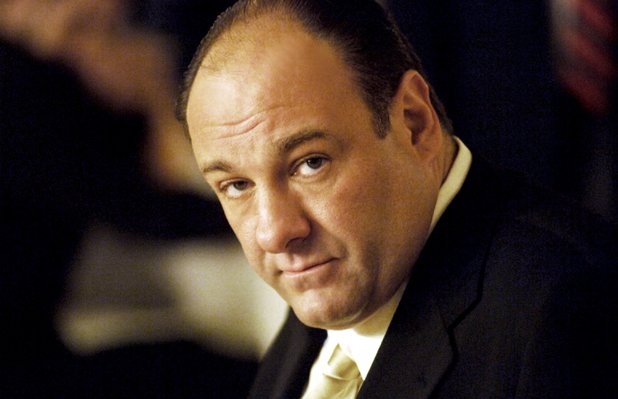
James Gandolfini as Tony Soprano from season six of The Sopranos.

Sleep well, Jimmy:
Remembering James Gandolfini

Though I’d worked a long while in film and television, I never dreamed that a tall drink of water from Texas would end up acting alongside Gandolfini in the show that I loved…

By Turk Pipkin / The Huffington Post / June 26, 2013

From the premiere episode forward, I was a huge fan of The Sopranos and the show’s amazing lead actor James Gandolfini. What David Chase and team were creating week after week was quite amazing, but what Gandolfini was creating and living moment by moment was a timeless work of art and passion that we will not see again for a very long time.

Though I’d worked a long while in film and television, I never dreamed that a tall drink of water from Texas would end up acting alongside Gandolfini in the show that I loved, even when I was invited by the Austin Film Festival to do a panel with Sopranos creator David Chase and to honor Chase with their lovely writing award.

David and I spent some enjoyable time talking about his hit show and about the past months I’d spent in Italy writing a book about the Calabrian mafia, the Ndrangheta. I’d recently been in La Stampa prison interviewing Ndrangheta hitmen, one of whom told me of taking a target into the woods and ordering him to dig a grave. When the man ran away, the bad guys had cut his achilles tendons, then made him continue digging. “Let’s see you run now,” they laughed.

A few days later, Sopranos casting agents called to ask if I’d audition for a part in the show. The scene came over my fax and I read the pages trembling, my eyes pouring over the lines of Aaron Arkaway, Janice’s born-again, narcoleptic boyfriend. The title of the episode was one of my lines, “Have you heard the good news?”

I shot the audition in Austin, Fedexed the tape and was on the plane to New York to start shooting by the next week. The first day on the set — with one of the greatest casts and crews ever assembled — I ran through the first scene with the full cast with the exception of James Gandolfini, who I believe was still in makeup.

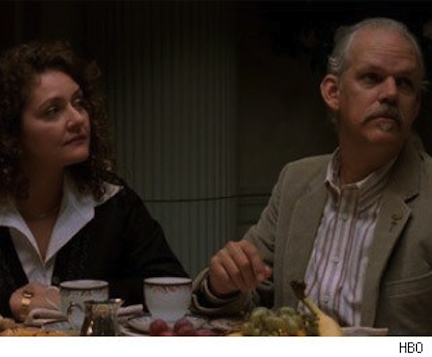
Turk Pipkin, as the narcoleptic Aaron Arkaway, with Aida Turturro, who played Janice Soprano. Photo from HBO.

The Sopranos family was watching football on Thanksgiving Day and I had the easy task of taking a deep narcoleptic nap. I asked the director if it would be okay for me to fall asleep on Tony’s shoulder and he said to give it a shot with Gandolfini’s stand-in.

Here’s the thing. I’d been up all night — a great way to look sleepy and as it would turn out, one of Gandolfini’s own tricks to create a look and feel he wanted — so when we ran the scene a second time, I didn’t actually notice that my head was not resting on a stand-in but on the man himself. Just before “action,” Gandolfini leaned down to my drooling face on his shoulder and introduced himself.

One episode turned into two and then into three. There wasn’t a lot of broad comic relief on the show and I was loving being a part of it, especially being in the spell of the great and kind James Gandolfini. Filming the show was a marathon for all involved. Late one night, Gandolfini had a rare break where he wasn’t in a scene. When he came back for a post-midnight scene, he brought back enough sushi for the cast and crew to cover a 20-foot table. Those type of gestures were not uncommon.

When I’d fallen asleep on the dining room table during Thanksgiving dinner, he bounced nuts off my noggin from the other end of the table, and between takes kept saying, “Man, am I throwing those too hard?” I said, “Is that all you got?” And it turned out that indeed he had a little more.

Gandolfini was a cigar smoker and between scenes would retire to the back porch of the Soprano family home for a stogie. This is on an indoor soundstage at Silver Cup Studios in Queens mind you, a definite “No Smoking” zone. I asked him what it takes to get that privilege and he said, “All it takes is asking. And you’re the first to ask.”

So there I was, looking at the painted swimming pool chroma-key of the Sopranos family back yard, smoking a Cuban cigar with the greatest actor of my day. Thank you Jimmy, for that and for so much more.

I was just a tiny cog in the great wheel that was The Sopranos, just one of thousands who James Gandolfini treated with kindness and respect. There are few so great who remain so humble, who are able to grasp their own incredible abilities and still recognize them as a gift.

James Gandolfini was a gift. And he will be missed beyond measure. Luckily we have his incredible body of work to keep us company. Thanks, Jimmy, for showing us the way. And thanks, David, for letting me lean on the shoulder of greatness.

[Turk Pipkin, an Austin-based writer, actor, and filmmaker, played a recurring role on The Sopranos. Pipkin founded the education and social action nonprofit, The Nobelity Project, and his films include Nobelity, One Peace at a Time, and Raising Hope. He is the author of 10 books including the New York Times bestseller, The Tao of Willie, written with Willie Nelson.]

The Rag Blog

Posted in RagBlog | Tagged , , , , , , , | Leave a comment

Michael James : Baseball in Moscow and ‘Turf Accountant’ in Belfast

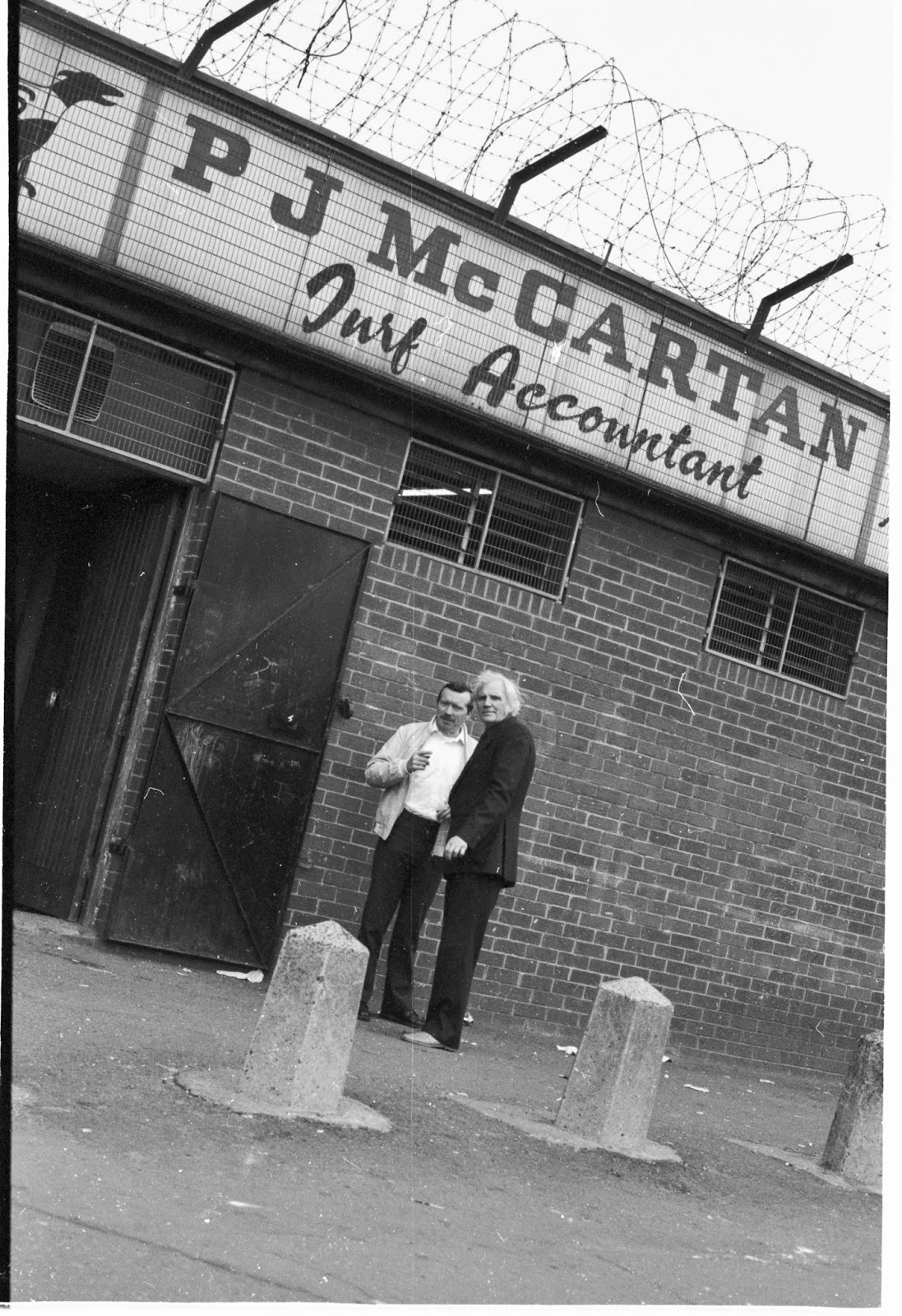
Turf Accountant, a betting parlor in Belfast, Northern Ireland, August 7, 1990. Photo by Michael James from his forthcoming book, Michael Gaylord James Pictures from the Long Haul.

Pictures from the Long Haul:
Playing baseball in the USSR and
drinking Guinness in Belfast

In Belfast we drive to the battlefield called the Falls Road, working class and traditionally socialist. I shoot pictures of buildings and people, and a betting parlor that is called ‘Turf Accountant.’

By Michael James | The Rag Blog | June 26, 2013

[In this series, Michael James is sharing images from his rich past, accompanied by reflections about — and inspired by — those images. This photo will be included in his forthcoming book, Michael Gaylord James’ Pictures from the Long Haul.]

I have to go through Shannon, Ireland, to get to the Soviet Union in 1990 — both going and coming — and both ways I observe people drinking Guinness early in the morning, when getting off planes and before boarding planes. Another observation: I like the Soviet/Russian planes, particularly that the armrest on the aisle goes up, freeing you to turn and talk to your neighbors, put your legs in the aisle somewhere over Poland, to move around.

In the USSR our delegation of already aging left-wing Athletes United for Peace plays baseball at Moscow State on a beautiful baseball diamond built by the Japanese. In Donetsk we play ball in a soccer stadium, run a baseball clinic, meet with striking miners, and run in a race with striking miners, many running barefoot.

We visit Sochi and Leningrad too. The husband/dad of the family I stay with in Leningrad was a member of the Soviet Olympic Volleyball team He takes me to a wonderful ancient bathhouse, and — being Jewish — fills me in on some Soviet realities.

On the trip I bond with comrade brother Mike Klonsky; we are roommates and share some swell activities and observations. We are tovarischs — comrades — forever. On the plane back are lots of Cubans; I trade them my rubles for their pesos. In Shannon, I say goodbye to Klonsky and others, and head off with Guy Benjamin and Dan Goich, retired pro football players.

We rent a car and head for the Fitzgerald’s in Tullah. Relatives of my longtime friend and business partner Katy Hogan, they treat us to nips of whiskey and sandwiches. Then on toward the West Coast, Galway, and a place to stay in Ennis, a bed and breakfast owned by Mary Monahan. I just assume she is a relative of the Monahan’s in my Chicago neighborhood, the so-called Peoples Republic of Rogers Park. We fall out by 9:30.

In the morning Mary nourishes us, and then we’re off. Guy stops in town for a Guinness at Mahoney’s thatch-roofed pub. I buy film, and two tapes, one by my man George Jones, the other a collection of Tulla bands, 1946-1986. We stop by the water in Galway, and then drive to a town called Westport. My hometown is Westport, Connecticut, so I buy saltwater taffy that says Westport on it, and drive the next leg to Sligo by the Atlantic. Driving while sitting on the right side of a blue Ford, and driving on the left side of the road, is very strange.

We stay in Sligo, but backtrack a bit to a place we learn about, Kilcullen’s Seaweed Baths in Enniscrone, Sligo County. They were great: a big tub of seaweed and hot seawater — plenty of it with a cold freshwater shower overhead the middle of the tub.

We cross into Northern Ireland. I had spent two weeks in the USSR and saw zilch for guns and weaponry. Crossing into Northern Ireland there were machine gun turrets, barbed wire, cement barriers, zig zag-driving lanes, and guys in full-bore combat outfits. Whoa and wow. Wow and whoa.

In Belfast we drive to the battlefield called the Falls Road, working class and traditionally socialist. I shoot pictures of buildings and people, and a betting parlor that is called “Turf Accountant.” Back in Belfast center Dan buys us a big steak lunch at a nice place.

We make our way south, through another checkpoint, drive over to the Irish Sea at Clogherhead, and find a bed and breakfast around sunset that’s run by the McEvoy family, in a place called Termonfeckin. That’s Termonfeckin! We settle in, take a walk on the beach, and then go for more Guinness at a local pub.

Jim McEvoy turns out to be a masters 800-meter champion. He knows the Irish running scene, and I tell him about my Loyola track coach pal Gordon Thomson. Jim also raises barley for Guinness, and raises Belgium Blue cattle. In the morning we hang out with Jim, his nine-year-old daughter Bernette, and a humongous 16-month-old bull, who acts like a cute, passive, and loveable puppy.

On to Dublin, we walk around this urban energy city, have coffee at Brawley’s, see a store called Chicago, and have big lamb chops at The Old Stand in the financial district. We take in Trinity University, dig its’ ancient vibe, and then head out. By evening we’re on the bank of the River Shannon near Limerick, staying at the Anchor Inn, sleeping upstairs from Irish Molly’s traditional music pub. The music and revelry goes on late into the night.

In the morning its cereal, sausage, Irish bacon, eggs, cooked tomatoes, OJ, toast and coffee. Before you know it, we’re in the Shannon airport. Guy gets another Guinness, we board, and after two weeks in the USSR and 96 hours in Ireland, we cross the blue waters to New York and west, back to life in the good old US of A.

[Michael James is a former SDS national officer, the founder of Rising Up Angry, co-founder of Chicago’s Heartland Café (1976 and still going), and co-host of the Saturday morning (9-10 a.m. CDT) Live from the Heartland radio show, here and on YouTube. He is reachable by one and all at michael@heartlandcafe.com. Find more articles by Michael James on The Rag Blog.]

The Rag Blog

Posted in Rag Bloggers | Tagged , , , , , , , , | Leave a comment

James McEnteer : Escape to Ecuador

Edward Snowden and the flag of Ecuador. Image from Salon.com.

Rehanging the crepe paper:
Escape to Ecuador

Edward Snowden is the latest insider who pulled back the curtain to reveal the wizardry of American Freedom as the diabolical machinations of a surveillance state.

By James McEnteer | The Rag Blog | June 25, 2013

QUITO, Ecuador — The colored crepe paper we hung up has tattered and fallen. The balloons we tied to the walls and ceiling have deflated or popped. Confetti remains in bags, unthrown. The welcome party we planned for the arrival of Julian Assange has had to be postponed indefinitely. Graffiti on the city walls prophesying his advent have begun to chip and fade away.

We know Assange is safe and still active in his Ecuadorian Embassy sanctuary in London. But we can’t help feeling disappointed that he never actually landed here among us. It’s not simply that we wanted the spotlight of his celebrity to shine a bit on the rest of us. There is so much here that we wanted to show him.

The bracing air of the Andes would revive his spirits. The sight of snow-covered volcanic peaks bespeaks a primordial reality which dwarfs the foolish vanity and paranoia of the people and the governments who want him silenced and punished. Julian Assange and Wikileaks have spotlighted the new political reality.

Our primary struggle now is not a conflict of countries or religions or ideologies against one another, but the wars of governments against their own peoples. The governments of China, Russia, and the United States have more in common with one another than they do with their own populations. Ours is a battle between state control and personal freedom.

The Turkish people know this. So do the Syrians and the Brazilians and the Egyptians. They have fewer illusions than Americans do because they can’t afford them. They have learned to trust their own eyes and ears rather than rely on the televised, predigested propaganda churned out by corporate U.S. media in service to the state.

Julian Assange and Ecuador’s Foreign
Affairs Minister Ricardo Patiño Aroca
at Embassy in London.

Americans cling to their comforting delusions, that we are the greatest, freest country on earth, that the political landscape is painted blue and red, that liberals and conservatives are battling for dominance, and the extremes of tea-party libertarianism and radical leftist socialism should be reviled and feared.

All this is irrelevant and distracting, like the clash of Christianity versus Islam. Or the flood of professional sporting events and pornography that drowns our awareness with vivid images. Americans are bad at organizing, still suffering from the cult of rugged individualism. But when we do form trade unions or progressive political groups or student protests against wars or the depredations of Wall Street, the tentacles of government are quick to infiltrate, defame, and destroy.

Edward Snowden is the latest insider who pulled back the curtain to reveal the wizardry of American Freedom as the diabolical machinations of a surveillance state. Is he a hero or a traitor? Where you stand depends on where you sit. For all those growing fat off the surveillance state, the toady media, the corporate Congress, the social networks and other minions of the ruling oligarchy, Snowden is a trouble-maker, messing with the dominance of their masters.

For the rest of us, trying to survive and live our lives as well as we can, Snowden is a freedom fighter, exposing the intrusion of the state apparatus into our private affairs. That is why we have begun to rehang the crepe paper here, inflate new balloons and prepare once again for a welcome party fit for a man of principle and courage.

Snowden would add luster and gravitas to our community. We can only hope he really comes. Then we have to find a way to spring Bradley Manning. Manning’s only crime was believing he could appeal to the conscience of the American people over and above the violent authoritarian regime masquerading as a democracy.

It would be great to have Assange, Manning, and Snowden all here in Ecuador. They could all have faculty positions at the IIF (International Institute of Freedom). I think they’d have a lot of valuable lessons to teach. You know we’ll have a good time then.

[James McEnteer is the author of Shooting the Truth: the Rise of American Political Documentaries (Praeger). He lives in Quito, Ecuador. Read more of James McEnteer’s articles on The Rag Blog.]

The Rag Blog

Posted in Rag Bloggers | Tagged , , , , , | 2 Comments

Jean Trounstine : Censoring What Prisoners Read

Werewolf erotica: Too sexy for prisoners? Image from The Atlantic Wire.

‘Werewolf erotica’ too ‘sexy’?
Censoring what prisoners read

The truth is that prisons want to control behavior. They want to ‘reform’ prisoners, which usually means they want to turn out people who are as conformist as possible.

By Jean Trounstine | The Rag Blog | June 25, 2013

Some astute judges are standing up and challenging prisons which think they have the right to tell prisoners what they can and cannot read.

Just after I wrote a blog about the wonders of Changing Lives Through Literature, a program begun in Massachusetts where a judge, probation officer, and facilitator discuss books together in a “democratic” reading group, offering those on probation a chance at rehabilitation (see “What You Need to Know About Changing Lives Through Literature“), I came across an article at the Christian Science Monitor (CSM) titled “Should prison inmates be allowed to read whatever they choose?”

We know prisons only let in certain kinds of material, sent in certain packages and provided in certain formats. At least that is what Framingham Women’s Prison told me some years ago when they rejected my hardback book Shakespeare Behind Bars being housed in the prison library. Forget that I had worked there, directing plays and teaching college classes for almost 10 years. They also don’t want books critical of their practices in any way. Apparently, my book raised their hackles.

Now prisons are going even farther: they don’t want books that have subjects someone deems unfit.

Madden work ‘Problematic’?

Husna Haq, in his CSM, article mentions that recently the 1st District Court of Appeal in San Francisco overturned a previous ruling barring a prisoner from receiving a book he requested deemed “problematic” by prison officials. The book in question was The Silver Crown by Mathilde Madden “which has widely become known as ‘werewolf erotica,’ and was considered too sexual by corrections officers.”

What? Corrections Officers are deciding that a book is too sexual for prisoners to read?

Get a load of this other recent news article posted in Business Insider. Called “America’s Prison Guards Are The ‘Ugly Stepchildren’ Of The Criminal Justice System,” the article reveals how guards “allegedly snuck cell phones and other contraband to Black Guerrilla Family (BGF) prison gangsters.” They allowed them to do whatever they wanted apparently, having the run of the prison, and now BGF leader Tavon White is accused of impregnating four guards, two of whom got tattoos with his name.

Thankfully, as Salon reported, the Court found that the prison had overstepped its bounds in the case, engaging in an “arbitrary and capricious application of the regulation.” The judge declared that “The Silver Crown did not meet the famous ‘three-pronged’ standard by which American courts have determined obscenity since the Supreme Court of the United States’ decision on Miller v. California in 1973.”

A 2011 suit by the American Civil Liberties Union charged a South Carolina prison with denying its prisoners all reading material other than the Bible. Other cases include an Alabama prison that barred a prisoner from reading the Pulitzer Prize-winning Slavery by Another Name: The Re-Enslavement of Black Americans From the Civil War to World War II by Douglas Blackmon.

Hurston ‘too racial’?

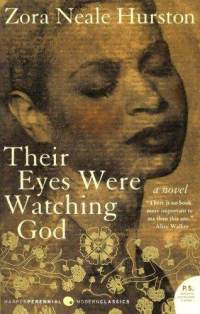
Why? Because it was too controversial? That’s another problem prisons have with texts. And also what I was told at Framingham, when I wanted to teach a June Jordan essay and direct a version of Zora Neale Hurston’s Their Eyes Were Watching God. Way before Oprah produced a movie of this novel, I had planned a production. But the prison said that involving my theatre troupe in such an effort was “too racial.” And I quote.

The truth is that prisons want to control behavior. They want to “reform” prisoners, which usually means they want to turn out people who are as conformist as possible. Read, write, paint, and draw? Only as long as prisoners don’t overstep their boundaries.

The idea that a prisoner can’t vote, can’t write, and can’t read what he or she wants are different kinds of “crime against person.” Restricting such freedoms could be considered unconstitutional if not illegal. But the idea that a prison will ever honor such rights for prisoners without a judge intervening — considering that a prison’s aim is to “correct” — is pure illusion.

[Jean Trounstine is an author/editor of five published books and many articles, professor at Middlesex Community College in Massachusetts, and a prison activist. For 10 years, she worked at Framingham Women’s Prison and directed eight plays, publishing Shakespeare Behind Bars: The Power of Drama in a Women’s Prison about that work. She blogs for Boston Magazine and takes apart the criminal justice system brick by brick at jeantrounstine.com where she blogs weekly at “Justice with Jean.” Find her contributions to The Rag Blog here.]

The Rag Blog

Posted in Rag Bloggers | Tagged , , , , , | Leave a comment

Type your summary here

Type rest of the post here

Source The Rag Blog

Posted in RagBlog | Leave a comment

Ron Jacobs : Onward, Through the Fog of War

Syrian refugees in Arsaal, Lebanon, on the Syrian border. Photo by Ed Ou / NYT.

Enter Obama:
Onward, through the fog of war

There will be no progressive secular government in Syria after the bloodshed ends. Indeed, there may not even be the nation the world now knows as Syria.

By Ron Jacobs | The Rag Blog | June 25, 2013

The world waits. Washington and other western capitals ponder war. Tehran and Moscow assume their positions, wary of their flanks and the rear. Syria suffers.

Groups within and without Syria’s borders position themselves as representatives of the Syrian people, almost every one of them hoping for some kind of Western support now that Obama and his White House have decided to publicly join the fray.

The question remains: How much military aid and of what nature? Does the White House honestly think it can get away with providing small arms and ammunition to the rebels in Syria? Or is it quietly planning to jump into the shitstorm with the the wild man and warmonger John McCain, eventually providing anti-tank weapons, lethal air support, and RPGs to the rebel elements with the greatest chance of victory?

Meanwhile, opposition to the White House decision remains muted, despite opinion polls showing over 80% disapproval of the decision. In fact, the primary opposition comes from libertarian and other right-wing quarters, some of them who oppose it only because Obama is spearheading it.

As for members of the left? If they spoke 10 times as loud they would still be but a whisper.

Syria is in the throes of a civil war. The government is winning, thanks in some part to the recent entrance of Hezbollah forces into the battle. The rebellion which began almost three years ago as popular protests against a repressive regime sold to the neoliberal marketplace has long since stopped being what it originally was. The violent repression of those protests by the Assad government provoked a violent response and the formation of what is called the Free Syrian Army.

Since that time, various regional governments and groups with their own agendas have sent in fighters, provided funds and weapons, and generally helped expand the conflict into almost every sector of Syrian society. The politics of the rebel forces grow murkier each day while the influence of outside forces seems to grow. This latter phenomenon will grow exponentially once Washington begins to play its latest hand.

There will be no progressive secular government in Syria after the bloodshed ends. Indeed, there may not even be the nation the world now knows as Syria.

If we are to use recent history as an example, the rationale of the previous statement is clear. Iraq, a once singular state run by an authoritarian Baathist government is now a fragmented collection of regions controlled by local rulers often at odds with the nominally central government in Baghdad.

The reasons for Iraq’s current situation are related directly to Washington’s 1991 invasion, a decade of low-intensity warfare against Iraq, and the culminating invasion by U.S. forces in 2003. Since none of these series of actions were able to install a regime beholden to Washington, the resulting fragmentation has had to do.

If nothing else, it has made the once regional power of Iraq a non-factor. This pleases not only Washington and Tel Aviv, but Saudi Arabia and the other emirates as well. If Washington is unable to install a client government in Damascus, one imagines that a weakened and fragmented Syria will suffice. Given the current role of Hezbollah, one assumes that Washington also hopes to weaken its role in the region.

These are at least some of Washington’s desired goals. After all, Assad’s authoritarian rule has never been too much of a problem before, especially when one understands that Washington maintained relations of various kinds with the Assad regime until quite recently.

Much like the relationship various U.S. administrations shared with Iraqi ruler Saddam Hussein, the commonality of interests and enemies insured numerous joint ventures between Damascus and Washington, including the rendition of U.S. captives to Syria for interrogation under torture. Now, however, it appears that Washington is going to throw its lot in with whatever lies past the long and brutal history of the Assads.

Like Libya and Iraq, this decision means that Washington’s new commitment will be broader than it is letting on to the U.S. public. What are now small arms shipments to certain groups in Syria could soon become no-fly zones and bombing raids; drone strikes and helicopter gunships; bombardment from the sea and Marines on the ground.

If the usual contingencies are being followed, it is fairly safe to assume that special forces and CIA paramilitaries are already involved inside Syria. If the military piece of this war continues like it has, Syrian government forces and their allies will continue to win. That, in turn, means that the only way in which the forces Washington prefers can win is with ever greater U.S. support. If the scenario begins to include Iranian forces and more sophisticated Russian weaponry, all bets are off.

The decision by Obama and his henchmen to arm some Syrian rebels came in the wake of those forces suffering some major defeats. It also makes the moves toward negotiations touted about a couple weeks ago moot. In other words, Washington has chosen war over negotiation once again. The reasons are numerous and certainly include a desire to decrease Iran’s stature in the Middle East. The lives of the Syrians, already made cheap by the armed assaults of their government, have been made even cheaper by this decision.

There is nothing noble in Obama’s decision. Like so many U.S. leaders before him, he has chosen to expand a war instead of negotiating to end it. In doing so, he has calculated that the Syrian people will continue to pay the ultimate price in hopes that Washington’s hegemony in the region can continue.

As I write this, Robert Fisk is reporting in the British newspaper The Guardian that Iran will be sending at least 4,000 troops to Syria in support of the Assad government. If true, this move almost demands that Washington step up its support for its favorite rebels in response.

There are those on the left who are convinced that the rebel forces they support can accept arms from Washington and maintain their hopes for a progressive, secular, and democratic government when all the killing is done. This type of thinking is as naive as that of the liberals who believe Washington’s entrance into the war is a humanitarian act devoid of imperial machinations.

To begin with, those who believe this assume that U.S. support will go to leftist and progressive forces. The likelihood of this is minimal, especially since there are elements in the opposition that share Washington’s plans for Syria and the Middle East. For the most part, the leftist elements do not.

The plain truth is that imperialist acts never flow from pure humanitarian motives. The very nature of imperialism demands that any action, especially in the arena of warfare, is taken to further the goal of hegemony.

You can bet your bottom dollar that Barack Obama understands this. No matter what he or any of his spokespeople say in the upcoming months regarding the U.S. commitment in Syria, the fact is that his decisions are based on his understanding of the risks involved and the potential benefits to be gained — for Washington, Tel Aviv, himself, and whomever else he and his regime are beholden to (and that doesn’t include the U.S. public).

[Rag Blog contributor Ron Jacobs is the author of The Way The Wind Blew: A History of the Weather Underground. He recently released a collection of essays and musings titled Tripping Through the American Night. His novels, The Co-Conspirator’s Tale, and Short Order Frame Up will be republished by Fomite in April 2013 along with the third novel in the series All the Sinners Saints. Ron Jacobs can be reached at ronj1955@gmail.com. Find more articles by Ron Jacobs on The Rag Blog.]

The Rag Blog

Posted in Rag Bloggers | Tagged , , , , , , | Leave a comment