Any foreign policy initiative that reduces the possibility of war, and arguments about its necessity, must be supported.
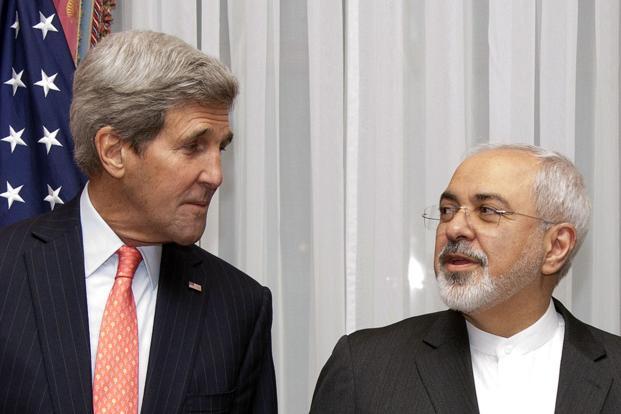
Secretary of State John Kerry (left) with Iranian counterpart Mohammad Javad Zarif. Photo by Brian Snyder / AFP.
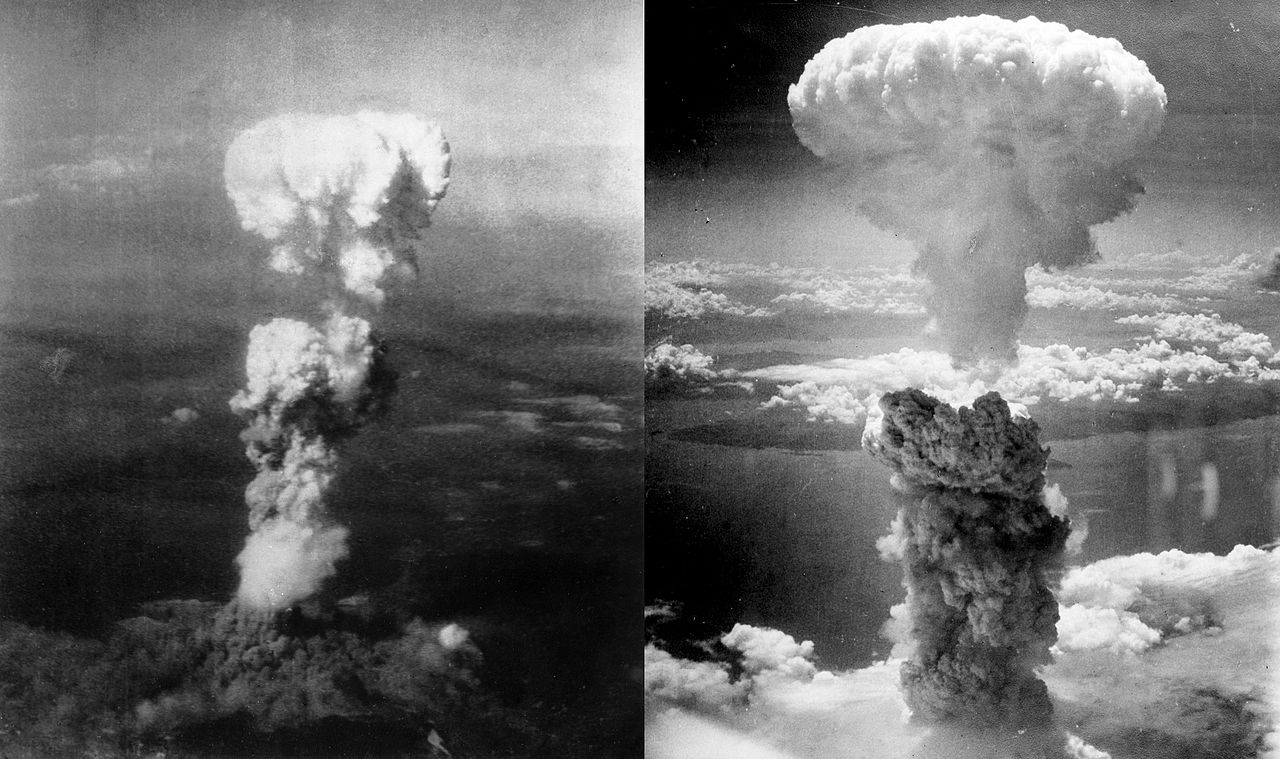
Not every conflict was averted, but the world avoided nuclear catastrophe, and we created the time and the space to win the Cold War without firing a shot at the Soviets. …
Now, when I ran for president eight years ago as a candidate who had opposed the decision to go to war in Iraq, I said that America didn’t just have to end that war. We had to end the mindset that got us there in the first place. It was a mindset characterized by a preference for military action over diplomacy, a mindset that put a premium on unilateral U.S. action over the painstaking work of building international consensus, a mindset that exaggerated threats beyond what the intelligence supported.
— Barack Obama, “Full text: Obama gives a speech about the Iran nuclear deal,” The Washington Post, August 5, 2015
The peace movement has often been faced with a dilemma. Should it channel its energies in opposition to imperialism, including economic expansion and covert operations, or should it mobilize against war, or both.
The problem was reflected in President Obama’s August 5, 2015 speech defending the anti-nuclear proliferation agreement with Iran. On the one hand he defended diplomacy as the first tool of a nation’s foreign policy and on the other hand his defense included the argument that through diplomacy the United States “won” the Cold War, and thereby defeated a bloc of states that opposed capitalist expansion.
Continue reading