They have been distorting the history of the Supreme Court nomination process to justify
their political desires.
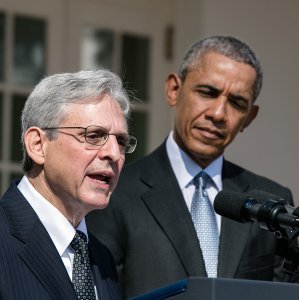
President Obama announces the nomination of Merrick Garland to the U.S. Supreme Court. Public Domain photo.
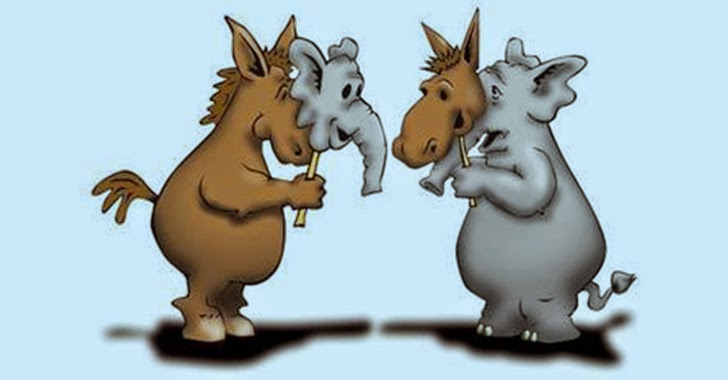
The Supreme Court nomination process is being fought out between Republicans and Democrats, with no thought given to its effect on the biggest plurality in the country — independents.
Neither a Republican nor a Democrat, I am an independent. For the last 24 years, I have voted for candidates all over the ballot. I have voted in both Republican and Democratic Party primaries. I find the range of views within both of the major parties incoherently disparate. But what concerns me today is that the intransigence of one of those parties’ elected officials is denying me and all other independents (as well as most Americans) a properly functioning federal government.
Continue reading